The Science of Confidence: How to Build Unshakable Self-Belief and Go After Your Dreams
- navenejb
- Oct 20, 2025
- 3 min read
“Confidence isn’t pretending you’re fearless — it’s trusting yourself enough to act even when you’re afraid.”
Confidence isn’t just an emotion — it’s a biological signal, a mental computation, and one of the most powerful predictors of success in every area of life.
According to neuroscience and behavioral psychology, confidence is built, not born. Every small decision, every micro-win, and every moment of courage wires your brain to believe: I can do this.
Let’s dive into what the research actually says — and how to use it to build real, lasting confidence that helps you chase your dreams like a Queen.
What the Science Says About Confidence
Confidence is a skill you can train.
Studies show that our brains calculate confidence like a probability score, a prediction of success based on evidence and repetition. (Frontiers in Psychology, 2016)
That means every time you prepare, practice, and reflect, you’re literally rewiring your brain to feel safer and more certain when you act.
Queen Tip: You don’t need to “feel confident” before starting. You build confidence through doing. Action first, belief second.
Confidence changes outcomes.
Research from UC Davis found that people with higher self-confidence tend to perform better, experience stronger relationships, and report higher well-being across decades of life.
Why? Because confident people take more aligned action. They speak up. They apply. They try again. Confidence doesn’t guarantee success, it creates the conditions for it.
Queen Tip: Confidence isn’t arrogance. It’s quiet belief in your ability to figure things out. Speak from that place.
Confidence grows fastest when it’s calibrated.
Overconfidence leads to blind spots; underconfidence leads to missed opportunities. Research shows that reflective people, those who compare how confident they felt with how well they actually did , develop the most accurate self-trust over time. (Frontiers in Psychology, 2023)
Queen Tip: After every big moment, interview, presentation, pitch, ask yourself: “How confident was I before? What happened? What did I learn?”That’s how you train emotional intelligence and decision accuracy.
How to Apply Confidence Science to Real Life
Here’s how to take the science and make it practical, something you can live every day.
1. Stack Small Wins
Every “I did it” moment teaches your brain that effort = progress. This is neuroplasticity in motion.
Set micro-goals that are just a little uncomfortable and celebrate them loudly when you win.
Queen Tip: If you can’t celebrate small wins, you’ll never feel ready for big ones. Write down three small victories a day.
2. Rehearse — Don’t Just Visualize
Confidence thrives on familiarity. When you practice in conditions that mirror the real event, you desensitize your fear response.(Journal of Experimental Social Psychology, 2019)
Queen Tip: Record yourself practicing. Watch with compassion, refine, repeat. Your brain will register it as already done.
3. Speak to Yourself Like Someone You Love
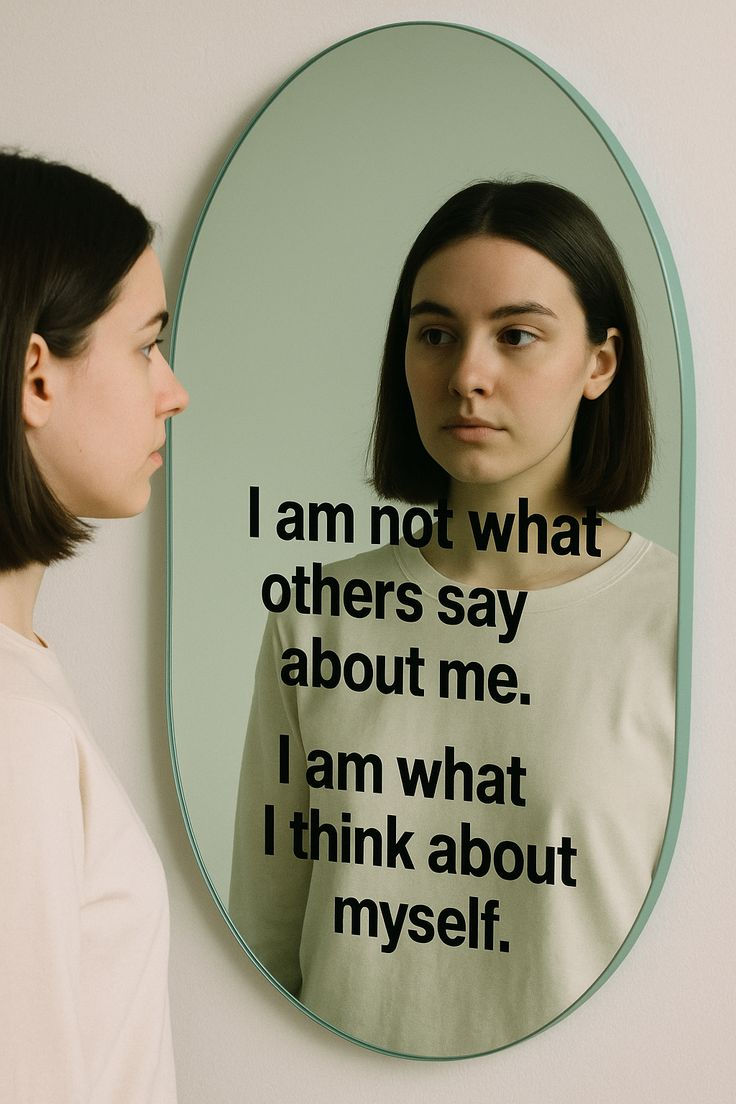
Your internal dialogue shapes your outer confidence. When you repeat harsh thoughts, your subconscious obeys them as truth.
Reframe with self-compassion:
“I’m not behind; I’m just beginning.”
“Every time I show up, I get better.”
Queen Tip: Confidence doesn’t come from perfection. It comes from permission, to grow, to learn, to evolve.
4. Curate Your Environment
Confidence is contagious. Surround yourself with mirrors, not critics, people who reflect back your potential and remind you of your power.
Queen Tip: Audit your circle. Keep those who celebrate your wins and push you higher.
5. Anchor Confidence to Purpose
The most unstoppable form of confidence is mission-based. When your goals are tied to something bigger than yourself, a message, a movement, a dream, doubt loses its grip.
Queen Tip: Every time fear speaks, whisper back: “This isn’t about me, it’s about the difference I’m here to make.”
Final Reflection
Confidence isn’t magic, it’s math. It’s the sum of your repetitions, reflections, and risks. Every time you choose courage over comfort, your confidence compound grows.
You don’t have to wait to feel ready. You just have to start, scared, unsure, imperfect, and trust that every step you take will strengthen the voice inside that says:
“I can. I will. I already am.”
If it's one thing you take from this article is "PAR", prepare, act, reflect. Is your confidence up to PAR?
Research Sources
Frontiers in Psychology (2016): The multidimensional structure of confidence: Trait, ability, and affective components.
UC Davis (2022): Research review shows self-esteem has long-term benefits.
Frontiers in Psychology (2023): Calibration of confidence and decision accuracy.
Journal of Experimental Social Psychology (2019): Preparedness and confidence in decision-making.


Comments